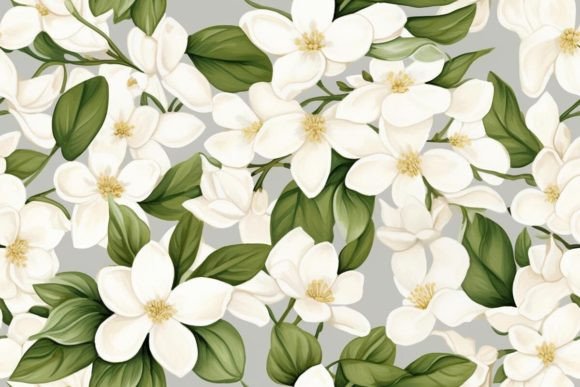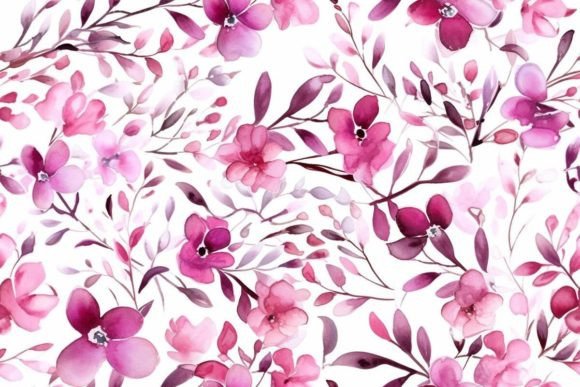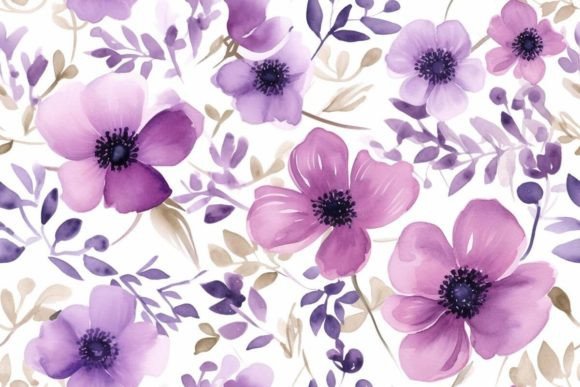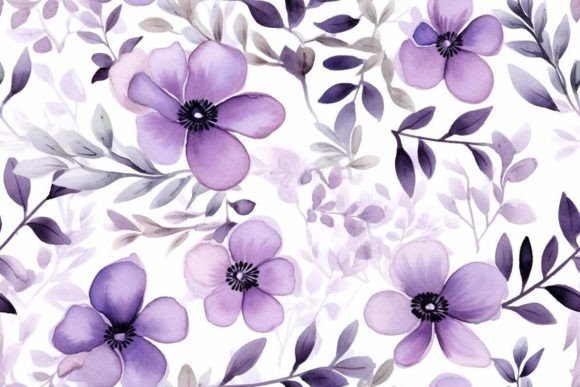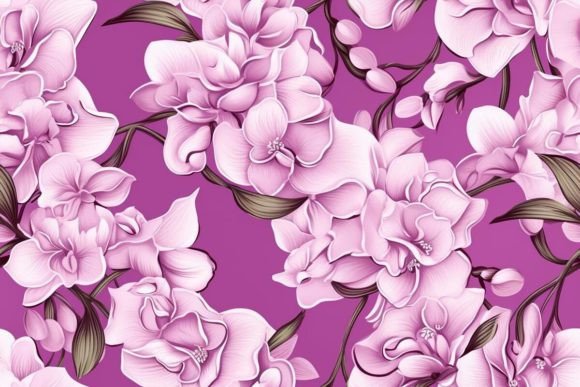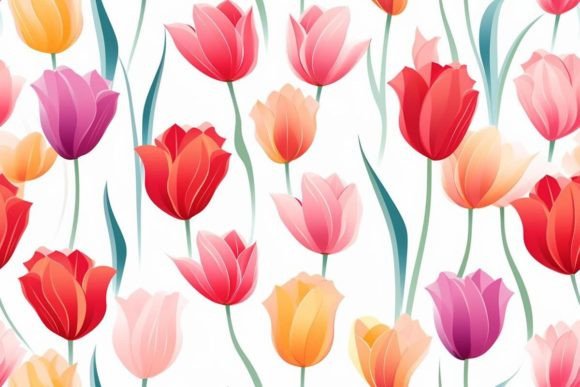
Texture Design Tile Repeating Patterns: A Comprehensive Evaluation
In the realm of digital design, graphic arts, and interior visualization, the demand for high-quality background assets is constant. Among the various categories available, Texture Design Tile Repeating Patterns stand out as a fundamental tool for creating depth and visual interest without overwhelming the primary subject. These assets are designed to seamlessly connect at the edges, allowing them to be extended infinitely across any surface or screen. This guide evaluates the utility, application, and strategic considerations of using tile-based texture designs to help you determine if they align with your specific project requirements.
Understanding Texture Design Tile Repeating Patterns
A Texture Design Tile Repeating Pattern refers to a digital image file engineered to repeat horizontally and vertically without visible seams. Unlike standard raster images that display a single scene, these patterns are constructed with mathematical precision to ensure that the left edge matches the right edge and the top edge matches the bottom edge perfectly. When applied in software such as Adobe Photoshop, Illustrator, or web development environments, the pattern fills the designated area continuously.
The core value of this technology lies in efficiency. Instead of loading massive, high-resolution images to cover large backgrounds, designers utilize small, lightweight tile files. This approach reduces file size while maintaining visual consistency. The product description often notes that included filenames may be randomly generated or misleading; however, the actual content is defined by the visual data within the JPG files rather than their metadata. Users should prioritize evaluating the visual output over the naming conventions provided in the source ZIP archives.
Why Professionals Seek These Assets
There are several compelling reasons why designers, developers, and hobbyists integrate these patterns into their workflows:
- Seamless Continuity: The primary advantage is the ability to create backgrounds that look infinite. Whether designing a website hero section, a mobile app interface, or a wallpaper, the lack of visible seams ensures a professional finish.
- Scalability: Because the pattern repeats, it can be scaled up to fill billboards or scaled down for mobile screens without pixelation issues inherent to stretching a single non-repeating image.
- Visual Depth: Textures add tactile qualities to flat digital surfaces. A subtle grain, fabric weave, or geometric repetition can break up monotony and guide the user's eye through a composition.
- Workflow Efficiency: Using a pre-made tile allows designers to focus on layout and typography rather than spending hours creating a custom background from scratch.
Benefits and Tradeoffs of Implementation
While the advantages are significant, a balanced evaluation requires an understanding of the tradeoffs involved in using Texture Design Tile Repeating Patterns.
The Benefits
The most immediate benefit is versatility. A single tile file can serve multiple purposes. In web design, it can function as a CSS background-image property, ensuring fast load times. In print media, it allows for the creation of packaging, textiles, or wall coverings where the design must flow across multiple sheets or rolls. Furthermore, these patterns offer creative flexibility; they can be tinted, overlaid with opacity changes, or blended using different layer modes to create entirely new colorways and moods from a single base asset.
The Considerations and Limitations
However, reliance on repeating patterns comes with specific constraints. The most common pitfall is the "grid effect." If the pattern is too dense or the contrast between the repeating elements is too high, the human eye may detect the repetition, resulting in a tiled appearance that looks artificial rather than organic. Additionally, because these are typically JPG files, they are raster-based. While suitable for most screen applications, they may not offer the resolution required for very large-scale printing unless the original tile is exceptionally high resolution.
Another consideration involves the quality of the source material. As noted in typical product listings, filenames can be random. This necessitates a thorough review process before purchase or download. Users must verify that the texture actually tiles correctly. Sometimes, a pattern might appear seamless on a monitor but reveal hard lines when printed or viewed under specific lighting conditions.
Situational Fit: When to Use and When to Look Elsewhere
Determining whether Texture Design Tile Repeating Patterns are the right choice depends heavily on the end goal of the project.
Ideal Scenarios for Use
These assets are a strong fit for:
- Web and UI Backgrounds: For websites requiring full-screen backgrounds or textured sections, tiles provide the best balance of performance and aesthetics.
- Interior Visualization: When rendering 3D models of rooms, applying a tileable floor or wall texture saves computational resources compared to mapping a massive single image.
- Graphic Overlays: Adding a subtle noise or paper texture overlay to photographs can unify disparate images and give them a cohesive, vintage, or artistic feel.
- Rapid Prototyping: During the early stages of design, quickly tiling a texture helps visualize how a concept will look in a real-world context without committing to custom art creation.
When Alternatives Are Better
Conversely, there are situations where a repeating tile pattern may not be the optimal solution:
- Focal Point Art: If the background needs to tell a story or draw attention to a specific element (e.g., a landscape photo), a repeating pattern will distract from the main subject.
- High-End Print Production: For large-format prints like murals or banners, vector-based patterns or extremely high-resolution non-repeating images often yield superior sharpness compared to standard JPG tiles.
- Organic Irregularity: If the goal is to mimic natural randomness, such as a unique stone wall or a hand-painted mural, a strict repeating grid may look too manufactured. In these cases, a large, non-tiled texture map or procedural generation tools might be preferable.
Practical Decision-Making Insights
To make an informed decision about acquiring and utilizing Texture Design Tile Repeating Patterns, consider the following practical steps:
Verify the Seams First: Do not rely on the thumbnail preview alone. If possible, request a sample or view the full image to check the corners. A true tile pattern should have no visible discontinuities at the edges.
Assess Resolution Needs: Determine the maximum dimensions of your final output. If you plan to print the texture at a large scale, ensure the JPG file has sufficient DPI (dots per inch) to prevent blurriness. A small 500x500 pixel tile is insufficient for large physical prints.
Evaluate File Organization: Since filenames are often random, take time to organize your library immediately after downloading. Categorize files by type (e.g., geometric, organic, abstract) and color palette to streamline future workflow.
Consider Licensing: Ensure the usage rights match your intended purpose. Some textures are free for personal use only, while others require commercial licensing for client work.
Conclusion
Texture Design Tile Repeating Patterns remain an indispensable resource for modern digital creators. They offer a powerful method to enhance visual compositions with minimal resource overhead. By understanding their strengths in scalability and their limitations regarding repetition artifacts, users can effectively integrate these assets into their projects. The key to success lies in careful selection—focusing on the visual quality of the images rather than misleading titles—and testing the tiles in the specific context where they will be used. Whether for web design, 3D modeling, or print media, these patterns provide the foundational texture needed to bring flat designs to life.