Surface Pattern Design Nature Patterns: A Comprehensive Guide to Organic Textiles and Digital Art
In the evolving landscape of digital creativity and physical manufacturing, Surface Pattern Design Nature Patterns have emerged as a dominant force. This specific niche combines the timeless appeal of the natural world with the technical precision required for modern textile and product design. Whether you are a seasoned graphic designer looking to expand your portfolio, a small business owner seeking unique fabric prints, or an educator teaching the principles of repeat patterns, understanding this genre is essential. The following analysis explores the intricacies of creating and utilizing nature-inspired motifs, moving beyond simple aesthetics to discuss the functional and commercial value of organic designs.
The Intersection of Organic Inspiration and Technical Precision
At its core, Surface Pattern Design Nature Patterns involves translating complex biological forms into repetitive, scalable graphics. Unlike abstract art, which relies on geometric abstraction, nature patterns demand a deep observation of flora, fauna, landscapes, and geological formations. The challenge lies in taking a single, irregular element—such as a fern frond, a bird's feather, or a water ripple—and structuring it so that it repeats seamlessly across any surface without visible breaks or jarring transitions.
This process requires more than just artistic talent; it demands an understanding of how patterns interact with the human eye and the physical limitations of printing technology. When designers work with these assets, they often encounter a variety of file formats. For instance, a typical delivery package might include JPG files containing high-resolution images ready for immediate use. However, professionals must be aware that while these images provide visual reference, the underlying structure of the pattern (the repeat logic) is what determines its viability for mass production.
Navigating File Formats and Asset Quality
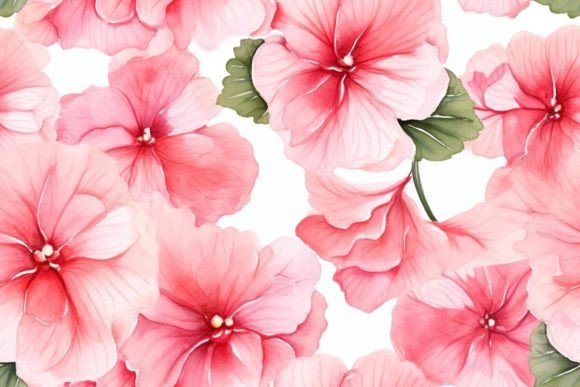
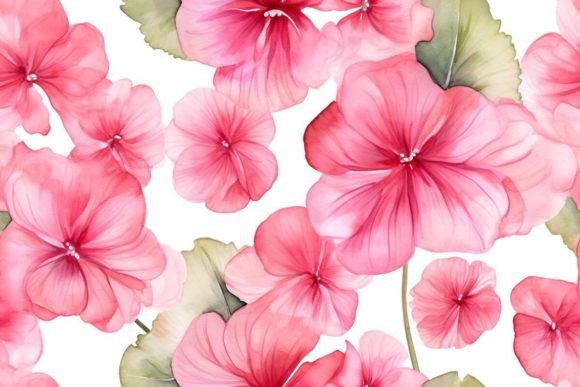
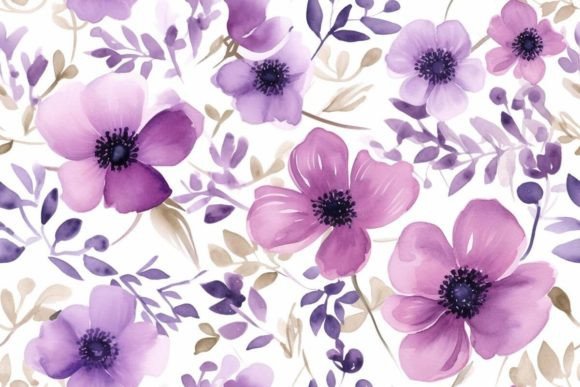
One of the most critical aspects of acquiring design assets is verifying their utility. In many commercial transactions involving Surface Pattern Design Nature Patterns, users receive a ZIP archive containing various image files. It is important to note that title metadata within these files can sometimes be randomly generated or misleading. Consequently, relying solely on filenames to identify content can lead to confusion.
- Visual Verification: Always open the preview images to confirm the specific botanical or landscape motif before purchasing or integrating them into a project.
- Resolution Matters: Ensure that the provided JPG files possess sufficient DPI (dots per inch) for the intended output. Web applications may require lower resolutions, whereas fabric printing demands high-fidelity, large-scale files.
- Customization Requests: If standard library offerings do not match your brand's specific vision, direct communication with the creator is vital. Many designers welcome requests to upload specific types of images or modify existing motifs to better suit a client's needs.
By prioritizing the visual content over the descriptive titles, creators can ensure they are selecting assets that truly align with their project requirements.
Practical Applications Across Industries
The versatility of nature-themed surface patterns makes them applicable across a vast array of sectors. From fashion runways to interior design showrooms, the demand for organic textures continues to rise. Understanding where these patterns fit best allows businesses to maximize their return on investment and connect more deeply with consumers who seek authenticity.
Fashion and Apparel
In the textile industry, Surface Pattern Design Nature Patterns are ubiquitous. Summer collections frequently feature floral blooms, tropical leaves, and watercolor-style landscapes. These designs evoke feelings of warmth, relaxation, and connection to the outdoors. The key to success here is scale. A pattern that looks magnificent on a large billboard may appear cluttered when printed on a silk scarf. Designers must manipulate the size of the elements to ensure they complement the drape and movement of the fabric.
Home Decor and Interior Design
Interior spaces benefit immensely from nature-inspired textiles. Upholstery fabrics, curtains, and wallpaper often utilize repeating botanical motifs to bring life into a room. A well-executed pattern can alter the perceived size of a space; smaller, delicate patterns tend to make rooms feel cozier, while larger, sweeping leafy designs can add grandeur. Furthermore, the color palette derived from nature—earthy greens, soft browns, sky blues—creates a calming atmosphere that is highly sought after in residential and hospitality design.
Packaging and Branding
For eco-conscious brands, incorporating Surface Pattern Design Nature Patterns into packaging is a strategic move. Consumers increasingly associate natural imagery with sustainability and purity. A soap company using a pattern of lavender sprigs or a coffee brand featuring coffee bean vines creates an immediate visual narrative about the product's origin and quality. This alignment between visual identity and brand values strengthens customer trust and loyalty.
The Psychology of Natural Motifs
Why do humans respond so positively to nature patterns? The answer lies in biophilia, a concept suggesting that humans possess an innate tendency to seek connections with nature and other forms of life. Studies in environmental psychology indicate that exposure to natural imagery reduces stress levels and improves cognitive function. By integrating Surface Pattern Design Nature Patterns into everyday objects, designers tap into this psychological need.
When a consumer holds a notebook covered in a subtle moss texture or wears a shirt with a geometric interpretation of pine needles, they experience a subconscious sense of grounding. This emotional connection is a powerful tool for creators. It transforms a simple object into an experience. For educators and researchers studying human-environment interactions, analyzing how different nature patterns affect mood and behavior provides valuable data on the power of design.
Technical Considerations for Seamless Repetition
Creating a seamless pattern is a technical feat that separates hobbyists from professionals. The goal is to create a "tessellation" where the edges of the tile match perfectly with adjacent tiles. There are several methods to achieve this, including offsetting, mirroring, and rotating elements.
- Offset Method: Elements are shifted horizontally and vertically so that parts of the motif extend off one edge and reappear on the opposite edge. This creates a dynamic, scattered look.
- Mirroring: Flipping the image along the axis creates symmetry, which is common in formal garden designs and architectural motifs.
- Rotational Symmetry: Rotating elements around a central point creates radial patterns, often seen in mandalas or star-shaped flowers.
When working with pre-made assets like those found in a JPG file collection, it is crucial to check if the pattern is already set up as a seamless repeat. If not, the designer must manually edit the image to close the gaps. This process ensures that the final print does not display visible grid lines, which would ruin the illusion of a continuous natural scene.
Trends and Future Directions in Organic Design
The field of surface pattern design is constantly shifting. While traditional realistic illustrations of flowers and animals remain popular, there is a growing trend toward stylized and abstract interpretations. Modern Surface Pattern Design Nature Patterns often blend realism with geometric minimalism. Imagine a detailed oak leaf reduced to clean, bold lines, or a forest canopy represented by varying shades of green dots.
Additionally, the integration of AI tools has opened new avenues for exploration. Designers are now able to generate infinite variations of natural textures, allowing for rapid prototyping. However, the human touch remains indispensable. Curating these AI-generated elements, refining the colors, and ensuring the cultural sensitivity of the motifs requires a level of judgment that algorithms cannot yet replicate.
As we move forward, the emphasis on sustainability will likely drive design choices. Patterns that mimic renewable resources, such as bamboo, hemp, or recycled materials, may become standard. The narrative behind the pattern will be just as important as the visual itself. Consumers will want to know the story of the plant depicted or the ecosystem it represents.
Building a Community Through Shared Creativity
The journey of mastering Surface Pattern Design Nature Patterns is rarely a solitary one. The creative community thrives on sharing resources, feedback, and inspiration. Platforms dedicated to digital assets allow creators to showcase their work, receive reviews, and build reputations based on the quality of their output. As noted in various marketplaces, leaving a review for a product can significantly impact the visibility of the creator and help future buyers make informed decisions.
Engaging with the community also means staying updated on the latest trends. Following designers who specialize in organic motifs can provide a steady stream of ideas. Whether it is observing how a colleague handles watercolor bleeding effects or learning how another artist manages negative space in a leaf pattern, collaboration accelerates growth. Supporting these creators by following their channels and providing constructive feedback helps sustain a healthy ecosystem of innovation.
Conclusion: The Enduring Appeal of the Natural World
In conclusion, Surface Pattern Design Nature Patterns represent a convergence of art, science, and commerce. They offer a way to bring the tranquility and complexity of the natural world into our built environments. From the technical challenges of creating seamless repeats to the emotional resonance of organic motifs, this field offers endless opportunities for exploration.
Whether you are sourcing assets from a digital library, creating original illustrations, or implementing these designs in a commercial product, the principles remain the same: observe closely, execute precisely, and respect the source material. As long as humanity finds beauty in the trees, the oceans, and the skies, there will be a place for these patterns in our lives. By focusing on the quality of the images and the relevance of the design, creators can produce work that stands the test of time and resonates with audiences worldwide.