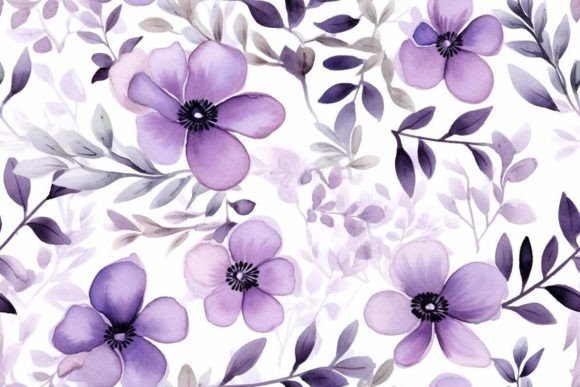
Illustration Plant Patterns Graphic: A Comprehensive Evaluation
In the realm of digital design, visual assets serve as the foundation for branding, web development, and print media. Among the most versatile categories of these assets are botanical illustrations. Specifically, the Illustration Plant Patterns Graphic represents a curated collection of vector-based or raster-based designs featuring flora arranged in repeating motifs. These graphics are not merely decorative elements; they are functional tools that allow designers to create cohesive visual identities across various mediums. Understanding the nature of this product is essential for anyone looking to incorporate organic aesthetics into their projects without starting from scratch.
Understanding the Product Composition
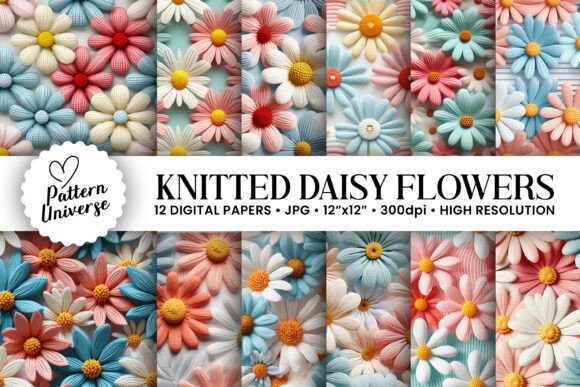
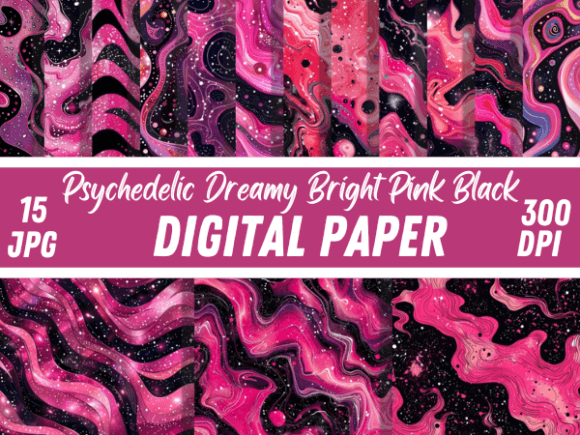
When evaluating an asset pack titled Illustration Plant Patterns Graphic, it is crucial to look beyond the marketing titles provided on the download page. As noted in standard file descriptions, titles associated with these downloads can be randomly generated and may sometimes be misleading regarding the specific species or style depicted. The true value lies in the visual content itself rather than the nomenclature. Typically, such a package includes high-resolution files, often delivered in formats like JPG, which ensures compatibility with a wide range of software applications.
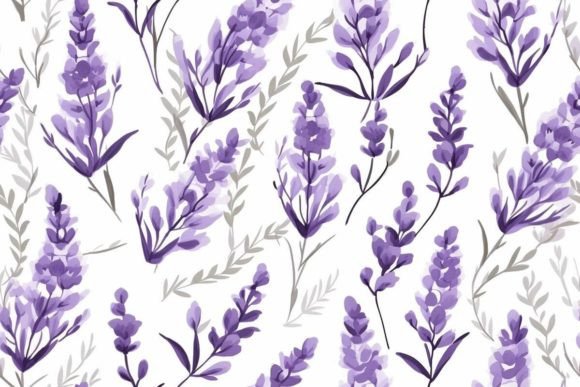
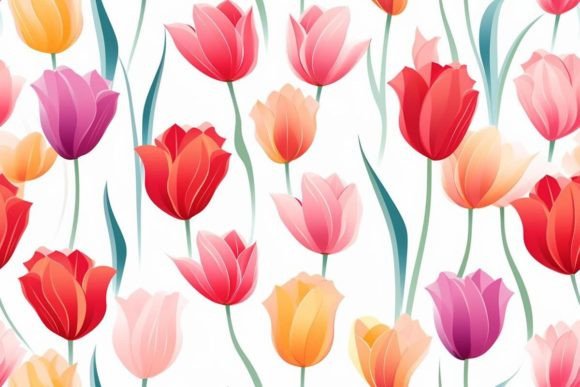
The core of this product is the pattern itself. These are seamless designs where plant imagery repeats without visible breaks, allowing them to tile infinitely. This characteristic makes them ideal for backgrounds, fabric prints, and wrapping paper. The graphic illustrations usually feature a mix of leaves, stems, flowers, and vines, rendered in styles ranging from realistic botanical sketches to stylized, flat-design icons. By focusing on the actual image content rather than the descriptive text, users can accurately assess whether the artistic direction aligns with their current project requirements.
Reasons for Interest in Botanical Graphics
Designers and creators often seek out Illustration Plant Patterns Graphic collections for several strategic reasons. First and foremost is the universal appeal of nature imagery. Botanical themes evoke feelings of tranquility, growth, and freshness, making them highly effective for industries such as wellness, skincare, organic food, and lifestyle branding. Incorporating these patterns can instantly elevate a design's aesthetic quality, adding texture and depth that solid colors cannot achieve.
Secondly, efficiency is a primary driver. Creating a seamless plant pattern from scratch requires significant time, skill in illustration, and knowledge of color theory. Purchasing a pre-made graphic pack allows professionals to bypass the initial creation phase and focus on application. This is particularly beneficial for small business owners, freelance designers, and marketers who need high-quality visuals quickly to meet tight deadlines.
Benefits and Practical Applications
The utility of these graphics extends far beyond simple decoration. When integrated correctly, Illustration Plant Patterns Graphic assets offer distinct advantages:
- Brand Consistency: Using a consistent pattern across packaging, websites, and social media creates a recognizable visual language. This repetition helps build brand recall among consumers.
- Cost-Effectiveness: Compared to hiring an illustrator to create custom botanical art, purchasing a license for a graphic pack is significantly more affordable while still delivering professional results.
- Scalability: High-quality JPG files included in these packages ensure that the patterns remain sharp whether used for a small mobile screen icon or a large-scale banner advertisement.
- Versatility: These patterns can be easily manipulated. Designers can adjust opacity, change color overlays, or layer the graphics over other elements to create unique compositions that suit specific moods.
Considerations and Potential Tradeoffs
While the benefits are substantial, there are tradeoffs and considerations that must be weighed before selecting this type of asset. The most significant limitation is originality. Because these packs are available for purchase by many users, there is a risk that your design may look similar to others using the same popular pattern. To mitigate this, designers often modify the graphics by cropping, recoloring, or combining them with other elements to create a more unique final product.
Another consideration is the technical specification of the files. If the package primarily provides JPG files, users should be aware that these are raster images. Unlike vector files (such as SVG or EPS), raster images can lose quality when scaled up significantly. For projects requiring extreme enlargement, such as billboards or large-format printing, the resolution of the JPG might be insufficient unless specifically created at a very high DPI. Additionally, the "randomly generated" nature of the titles means that buyers must verify the specific plant species and artistic style through preview images, as the metadata may not accurately reflect the content.
Situations Where This Is a Strong Fit
This product category is an excellent fit for specific scenarios. It is highly recommended for:
- Web and UI Design: Creating subtle background textures for websites or app interfaces where a soft, organic feel is desired without distracting from the main content.
- E-commerce Packaging: Small businesses selling tea, soap, candles, or natural supplements often use these patterns to convey a sense of purity and natural ingredients.
- Print-on-Demand: Artists and sellers creating t-shirts, tote bags, and home decor items frequently utilize seamless patterns to maximize surface coverage efficiently.
- Editorial Layouts: Magazines and blogs covering gardening, health, or environmental topics benefit from the thematic relevance of plant graphics.
When Alternatives May Be Worth Considering
Despite their utility, Illustration Plant Patterns Graphic packs may not be the best choice for every situation. If a project demands absolute uniqueness and a specific botanical accuracy that generic stock art cannot provide, commissioning a custom illustration is the superior path. Similarly, if the end product involves massive scale printing, a vector-based alternative would be necessary to ensure crisp edges and infinite scalability.
Furthermore, if the target audience requires a highly modern, minimalist aesthetic, traditional hand-drawn plant patterns might feel too ornate or vintage. In such cases, geometric floral abstractions or line-art-only graphics might align better with the desired visual tone. Buyers should also consider the licensing terms carefully; some packs restrict commercial use or require attribution, which could complicate workflows for corporate clients.
Decision-Making Insights
To determine if this resource aligns with your goals, start by defining the intended output medium. Check the resolution of the provided JPG files against the size requirements of your project. Review the visual variety within the ZIP archive to ensure the style matches your brand identity. Do not rely solely on the title; examine the actual thumbnails to confirm the density of the pattern and the color palette.
Ultimately, the decision to use an Illustration Plant Patterns Graphic boils down to balancing cost, time, and originality. For most general design needs, these assets provide a robust solution that bridges the gap between amateur creativity and professional polish. By understanding both the capabilities and the limitations of the format, users can make informed choices that enhance their work rather than diluting its impact.