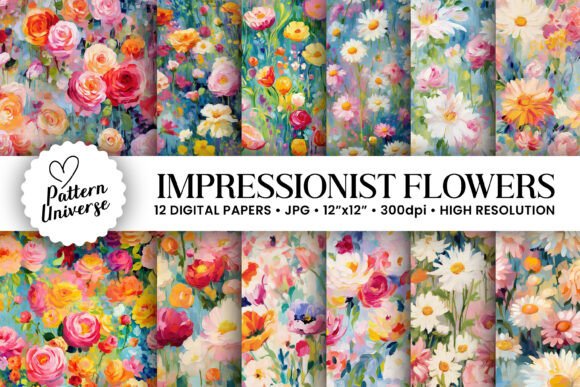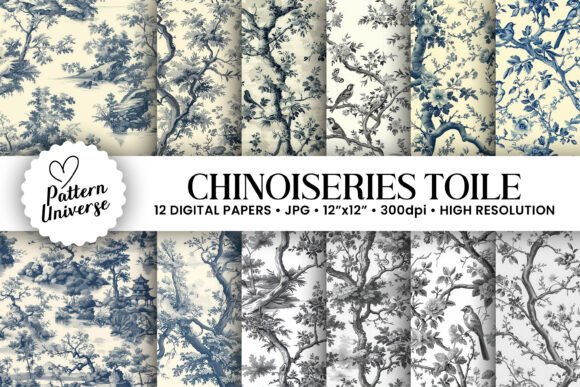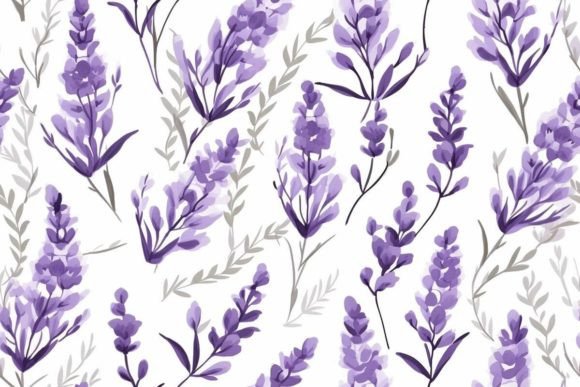
Elevating Brand Identity with Graphic Illustration Seamless Patterns
In the rapidly evolving landscape of digital and physical design, Graphic Illustration Seamless Patterns have emerged as a critical asset for professionals seeking to distinguish their work. While often perceived merely as decorative elements, these repeating motifs serve a far more strategic function in modern branding, product development, and user experience design. For creators, entrepreneurs, and marketers, understanding the utility of seamless patterns is no longer optional; it is a fundamental component of a robust visual strategy.
The demand for high-quality, versatile graphic assets has never been higher. As businesses strive to create cohesive identities across diverse platforms—from mobile applications to packaging—the need for scalable, adaptable imagery becomes paramount. This article explores the significance of seamless patterns, their integration into contemporary workflows, and why they are becoming a cornerstone of effective visual communication.
Defining the Core Concept
At its essence, a seamless pattern is a design element that repeats infinitely without visible breaks or interruptions. When applied to a surface, whether it be a website background, a textile print, or a social media story template, the eye perceives a continuous, unified field rather than individual tiles. In the context of Graphic Illustration Seamless Patterns, this technique leverages hand-drawn or vector-based illustrations to create complex, engaging textures that convey mood, style, and brand personality.
Unlike standard stock photography, which can sometimes feel generic or overused, illustrated patterns offer a unique narrative voice. They allow brands to inject whimsy, professionalism, or avant-garde aesthetics depending on the specific artistic direction. The technical precision required to ensure a perfect "seam" ensures that the design remains flawless regardless of the scale at which it is rendered.
The Intersection of Art and Utility
The resurgence of interest in illustrated patterns is not accidental; it reflects a broader shift in consumer behavior and industry standards. Today's audience is increasingly attuned to authenticity and craftsmanship. In an era dominated by AI-generated content and sterile corporate minimalism, hand-crafted or illustrative textures provide a human touch that resonates deeply with users.
For entrepreneurs and freelancers, these patterns represent a cost-effective method to elevate production value. A simple logo or flat-color background can be transformed into a premium experience simply by applying a well-designed seamless texture. This is particularly relevant in the e-commerce sector, where product differentiation is key. Imagine a skincare brand using a subtle floral pattern on their packaging versus a plain white box; the former communicates care, nature, and attention to detail instantly.
Adapting to Digital and Physical Workflows
The versatility of Graphic Illustration Seamless Patterns allows them to bridge the gap between digital and physical mediums seamlessly. In the digital realm, they are essential for:
- User Interface (UI) Design: Creating distinct backgrounds for landing pages, dashboards, or app interfaces that reduce visual fatigue while maintaining engagement.
- Social Media Strategy: Generating consistent visual themes for Instagram grids, Pinterest boards, and LinkedIn headers that reinforce brand recognition.
- Content Marketing: Enhancing blog posts, ebooks, and presentations with custom dividers and section headers.
Conversely, in the physical world, these patterns are indispensable for:
- Merchandise and Apparel: Printing on t-shirts, tote bags, and accessories without worrying about alignment errors.
- Packaging Design: Wrapping products in branded paper or creating distinctive boxes that stand out on retail shelves.
- Interior Design: Applying wallpapers, textiles, and soft furnishings that bring a cohesive aesthetic to commercial and residential spaces.
Meeting Changing Market Expectations
The modern market demands speed without sacrificing quality. Professionals are under pressure to deliver high-fidelity results quickly. This is where the availability of comprehensive asset packs becomes vital. Consider the scenario of a designer receiving a ZIP file containing JPG files of various patterns. These assets act as building blocks, allowing designers to prototype, iterate, and finalize projects much faster than if they were creating every element from scratch.
However, the utility of these assets goes beyond mere speed. It is about flexibility. The prompt regarding Graphic Illustration Seamless Patterns notes that titles may be randomly generated and could be misleading. This highlights a crucial insight for buyers: the true value lies in the visual content itself, not the metadata. Savvy professionals know to look past the filename and focus on the composition, color palette, and scalability of the image. By prioritizing the visual evidence over the descriptive text, creators can uncover hidden gems that perfectly suit their specific project needs.
This approach aligns with the growing trend of "asset-first" thinking. Instead of starting with a blank canvas, many studios now start with a library of textures and patterns, building their identity around these foundational elements. This methodology ensures consistency across all touchpoints, a requirement for any serious brand looking to establish long-term trust.
Strategic Implementation for Creators
To leverage Graphic Illustration Seamless Patterns effectively, one must move beyond simply placing a background behind text. The most successful implementations integrate the pattern into the core structure of the design.
1. Layering and Depth
Using patterns to create depth can transform a flat design into something tactile. By adjusting opacity, blending modes, and layering different pattern densities, designers can guide the user's eye toward call-to-action buttons or key information without overwhelming the viewer.
2. Color Psychology
The choice of colors within a pattern carries significant weight. A pattern featuring cool blues and teals might suggest trust and technology, ideal for fintech startups. In contrast, warm oranges and yellows might evoke energy and creativity, suitable for lifestyle brands or food services. Understanding how these illustrative elements interact with color theory is essential for conveying the right message.
3. Scalability and Resolution
As noted in professional asset descriptions, the inclusion of high-resolution formats like JPG is non-negotiable for print-ready work. However, for web use, optimization is equally important. Professionals must balance the visual fidelity of the illustration with the load times of their websites. This requires a nuanced understanding of file compression and format selection.
The Future of Pattern Design
Looking ahead, the role of Graphic Illustration Seamless Patterns will only expand. As augmented reality (AR) and virtual reality (VR) technologies become more integrated into consumer experiences, the need for 360-degree compatible textures will grow. Patterns that work well in 2D must also consider how they behave when mapped onto 3D surfaces in virtual environments.
Furthermore, the rise of sustainable design practices encourages the use of digital assets that reduce waste. By utilizing digital patterns for marketing materials instead of printing physical brochures, companies can significantly lower their carbon footprint while maintaining a high-impact visual presence. The ability to share a single digital asset across global markets instantly supports this eco-friendly shift.
Conclusion
In conclusion, Graphic Illustration Seamless Patterns are much more than simple decorations; they are powerful tools for storytelling and brand differentiation. Whether you are a freelancer pitching a new client, an entrepreneur launching a product line, or a marketer crafting a campaign, the strategic application of these patterns can elevate your work from ordinary to exceptional.
The key to success lies in focusing on the visual quality of the assets themselves. By prioritizing the images over potentially misleading titles, and by understanding how these patterns fit into the broader ecosystem of design and business, professionals can unlock new levels of creativity and efficiency. As the industry continues to evolve, those who master the art of seamless integration will find themselves at the forefront of innovation.
We encourage all creators and enthusiasts to explore these resources fully. If you find value in these assets, please leave a review to help others discover them. Your feedback drives the community forward. Furthermore, we invite you to follow us for more products and support. By staying connected, you ensure access to the latest trends and tools necessary to thrive in today's competitive creative economy.
Remember, the best designs are built on strong foundations. Let Graphic Illustration Seamless Patterns be the bedrock of your next great project.