Blooming Patterns in Illustration Art for Designers
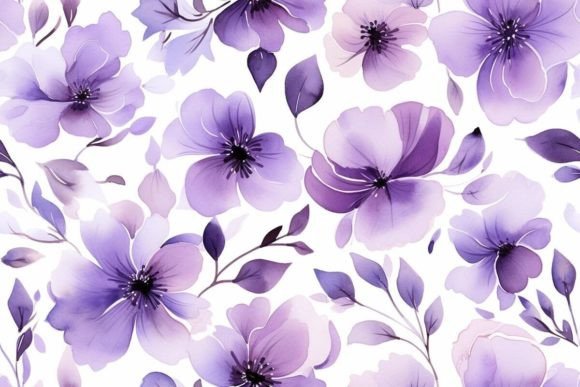
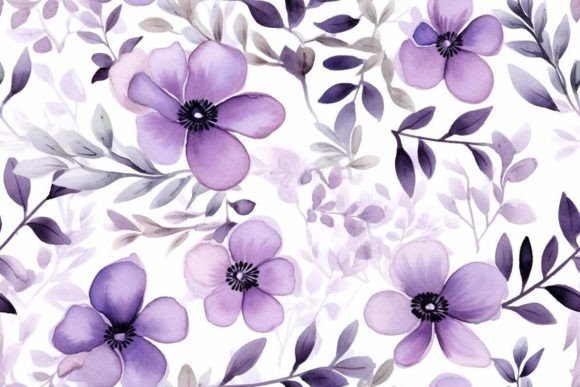
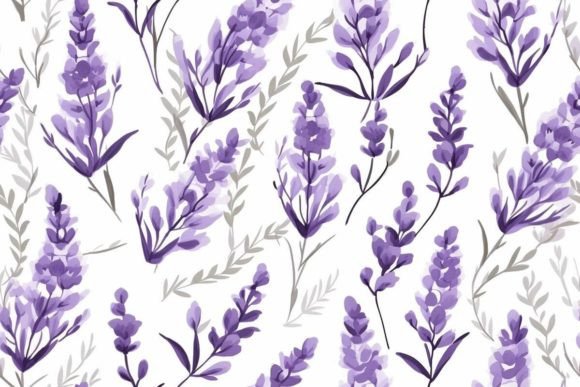
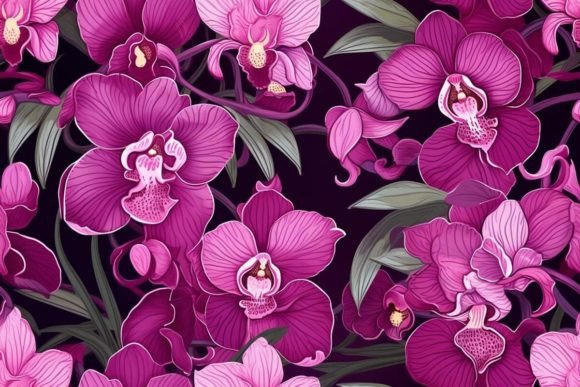
In the fast-paced world of visual communication, Illustration Art Blooming Patterns have emerged as a transformative element that bridges the gap between organic beauty and structured design. These intricate, floral-inspired motifs offer a unique way to infuse life, movement, and sophistication into any creative project, making them an essential tool for modern graphic designers seeking to elevate their work.
When you explore high-quality creative assets like blooming patterns, you are not just adding decoration; you are establishing a visual language that resonates with audiences on an emotional level. Whether you are crafting a brand identity or designing a user interface, these elements provide a fresh aesthetic that stands out in a crowded digital landscape.
The Strategic Value of Floral Motifs in Branding
Integrating Illustration Art Blooming Patterns into your workflow can significantly enhance the perceived value of your designs. In branding, consistency is key, but so is uniqueness. A well-executed pattern can become a signature element of a brand's visual identity, appearing subtly on packaging, prominently on websites, or elegantly within marketing materials.
These patterns serve more than just an aesthetic purpose; they guide the viewer's eye and establish a specific mood. For a lifestyle brand, blooming motifs suggest growth, freshness, and natural elegance. For a tech company, a stylized, geometric interpretation of these patterns can convey innovation and connectivity. The versatility lies in how you adapt the core concept to fit your specific design goals.
- Brand Identity: Use custom blooming patterns as watermarks or background textures to create a cohesive look across all touchpoints.
- Packaging Design: Transform standard boxes and labels into premium products by wrapping them in detailed, tactile-looking illustrations.
- Social Media Graphics: Capture attention in feeds with vibrant, animated, or static floral overlays that align with seasonal campaigns.
Enhancing User Experience and Visual Hierarchy
In UI and UX design, every pixel counts. While bold typography and clear navigation are paramount, background patterns play a subtle yet powerful role in defining visual hierarchy. Illustration Art Blooming Patterns can be used to soften hard edges, create depth, and direct focus toward call-to-action buttons or key content areas without overwhelming the user.
When selecting assets for web design, consider the scalability and resolution of the files. High-quality JPGs ensure that your patterns remain crisp on high-DPI screens, maintaining a professional presentation whether viewed on a mobile device or a large desktop monitor. The goal is to support the content, not distract from it.
Furthermore, the color palette associated with these patterns is crucial. Designers often leverage the natural gradients found in floral illustrations to create harmonious color schemes that evoke specific emotions. By pairing these organic shapes with clean, modern typography, you achieve a balanced composition that feels both contemporary and timeless.
Practical Applications Across Creative Industries
The utility of these design assets extends far beyond simple decoration. From editorial layouts to advertising campaigns, the application of blooming patterns is vast and varied.
- Editorial Design: Add flair to magazine spreads, book covers, and blog headers to break up text and engage readers visually.
- Merchandise: Print-ready patterns allow for seamless integration onto t-shirts, tote bags, and stationery, turning everyday items into brand ambassadors.
- Digital Products: Create stunning templates for planners, journals, and e-books that offer a premium feel to end-users.
- Advertising Campaigns: Differentiate your ads in competitive markets by using distinctive imagery that captures the essence of your message.
To get the most out of resources like the provided ZIP file, focus on the product images rather than the randomly generated titles. Analyze the composition, line weight, and color distribution to determine how best to integrate them into your current projects. If you need specific types of imagery for a campaign, communicating those needs clearly ensures you receive assets that align perfectly with your vision.
Selecting and Implementing Quality Assets
Evaluating design elements requires a critical eye. When browsing for Illustration Art Blooming Patterns, prioritize files that offer flexibility in usage. Check if the layers can be separated or if the colors can be easily adjusted to match your existing brand guidelines. Compatibility with your current design systems is vital for maintaining a polished and professional result.
Always test your patterns at different sizes. A beautiful illustration might lose its detail when scaled down for a social media icon or appear too busy when tiled across a full-screen background. Understanding the limitations and strengths of your assets will save time during the production phase and ensure a smoother design workflow.
Ultimately, the success of any design project depends on thoughtful choices. By incorporating high-quality blooming patterns, you are investing in the visual integrity of your work. These elements do more than just fill space; they tell a story, evoke emotion, and elevate the overall quality of your communication. Whether you are a seasoned professional or a budding creator, leveraging the right creative assets can make the difference between a good design and a great one.