Monochrome Floral Ogee Damask Patterns: A Guide to Elegant, Versatile Design Assets
In the realm of interior design and creative production, few styles offer the timeless sophistication found in monochrome floral ogee damask patterns. These intricate designs blend the organic fluidity of botanical motifs with the geometric precision of ogee curves, all rendered in a stark, high-contrast black-and-white palette. This specific aesthetic is not merely a trend; it is a foundational element of classical ornamentation that has been reinterpreted for modern digital and physical applications. Whether you are an interior designer seeking wallpaper solutions, a crafter looking for textile prints, or a digital artist working on scrapbooking projects, understanding the nuances of this pattern set is crucial for making informed decisions.
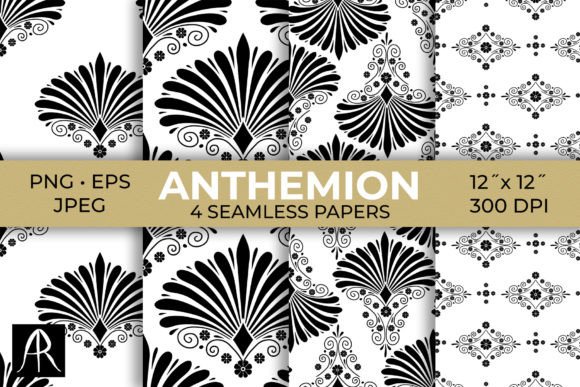
The core appeal of these patterns lies in their duality. They possess the ornamental density of traditional damask, characterized by elaborate scrolling and anthemion motifs (stylized palmettes), yet they maintain the clean lines of the ogee shape—a distinct S-shaped curve often used in molding and furniture design. When combined in a monochrome scheme, the result is a visual texture that feels both vintage and contemporary. Unlike colorful baroque designs that can overwhelm a space, the black-and-white approach allows the pattern to serve as a structural background rather than a competing focal point.
Understanding the Distinctive Elements of Monochrome Floral Ogee Damask
To evaluate whether this style fits your project, one must first understand its constituent parts. The term "damask" refers to a reversible figured fabric of silk, wool, linen, cotton, or synthetic fibers, woven so that the patterned effects are produced by weaving. In digital contexts, this translates to seamless repeating patterns that mimic this woven texture. The inclusion of anthemion adds a layer of classical Greek influence, typically resembling a fan-shaped palm leaf arrangement, while the ogee motif introduces rhythmic vertical movement.
What sets this specific collection apart from generic damask options is the hand-drawn quality integrated into the vector format. While machine-generated patterns can sometimes appear repetitive or sterile, hand-drawn elements introduce subtle variations in line weight and spacing. This imperfection gives the design character and depth, preventing it from looking like a flat, industrial print. The monochrome constraint further enhances this effect, forcing the viewer to focus on the interplay of positive and negative space. The contrast between the black ink and white background creates a sharp definition that is particularly effective for large-scale applications like wallpaper, where fine details might otherwise get lost.
Comparing Formats: Vector Files vs. Raster Images
When selecting design assets, the file format is often the most critical technical decision. This particular set offers a comprehensive range of formats—EPS10 vectors, 300dpi PNGs, and 300dpi JPGs—which addresses different workflow requirements. Understanding the tradeoffs between these formats helps determine the best tool for the job.
Vector Files (EPS10): The inclusion of four EPS10 vector files is a significant advantage for professionals requiring scalability. Vectors allow you to resize the pattern from a tiny business card to a massive wall mural without any loss of resolution. If you are planning to create custom curtains or upholstery, the ability to adjust the scale ensures the pattern fits the specific dimensions of your fabric rolls perfectly. However, editing complex vector paths requires specialized software like Adobe Illustrator, which may present a learning curve for casual users.
Raster Files (PNG and JPG): For users focused on digital composition, such as photo collages or web graphics, the 3600x3600 pixel (12x12 inch) raster files are ideal. The PNG version, featuring a transparent background, is particularly versatile. It allows designers to layer the damask pattern over other elements without needing to manually mask out the white background. This is essential for digital scrapbooking or creating textured overlays in photo editing software. The JPG files, while lacking transparency, offer smaller file sizes and broad compatibility, making them suitable for quick previews or printing directly to home printers.
Application Scenarios: Interior Design and Textile Arts
The versatility of monochrome floral ogee damask patterns makes them suitable for a wide array of physical applications. In interior design, the primary use case is often wallpaper. A living room or bedroom adorned with this pattern benefits from the psychological effect of monochrome design; it creates a sense of calm and order. Because the pattern is high-contrast, it works well in rooms with ample natural light, where the shadows cast by the ogee curves add dimensionality to the walls.
For those interested in DIY textile projects, these patterns serve as excellent templates for custom curtains and cushions. When printed on fabric, the black and white theme offers a neutral backdrop that pairs effortlessly with bold accent colors. You can place a vibrant velvet cushion against a monochrome damask curtain to create a striking visual pop. Similarly, tablecloths featuring this design bring a touch of formal elegance to dining spaces. The seamless nature of the pattern ensures that when the fabric is cut and sewn, the design aligns correctly across seams, maintaining the integrity of the ogee flow.
However, there are limitations to consider. While the patterns are elegant, they are inherently busy. In small rooms or spaces with low ceilings, a dense damask pattern might make the area feel enclosed. In such cases, using the pattern on a single feature wall or limiting it to soft furnishings rather than full-wall coverage is a more prudent choice. Additionally, the high contrast of black and white can show dust and wear more readily than mid-tone colors, which may be a practical consideration for high-traffic areas like hallways.
Evaluating Alternatives and Style Choices
While monochrome damask is a strong contender, it is not the only option available for achieving a classic look. Designers often compare this style with colorful floral damasks, geometric trellis patterns, or minimalist linear designs.
Colorful vs. Monochrome: Colorful damasks offer warmth and personality but can dominate a room's color palette. If your goal is to create a cohesive, sophisticated atmosphere where the architecture takes center stage, the monochrome option is superior. Conversely, if you want the walls themselves to act as a piece of art or to tie together a multi-colored rug, a colored variant might be necessary.
Geometric vs. Organic: The ogee motif bridges the gap between geometric and organic. Pure geometric patterns (like chevrons or hexagons) feel more modern and rigid. Pure organic patterns (like watercolors or loose florals) feel softer and less structured. The combination of anthemion and ogee in this set provides a middle ground, offering structure through the ogee curves while retaining the elegance of the floral elements. This makes it more adaptable to transitional decor styles that mix traditional and modern furniture.
Digital Scrapbooking and Card Making: For crafters, the choice often comes down to file usability. Some alternatives offer only low-resolution images, which pixelate when printed on cardstock. The 300dpi resolution provided in this set ensures crisp edges, which is vital for close-up viewing in handmade cards. Furthermore, the availability of transparent PNGs eliminates the need for tedious cutting tools, allowing for quicker assembly of layered collage projects.
Decision Factors: When to Choose This Pattern Set
Deciding to invest time and resources into this specific pattern set depends on your specific needs regarding resolution, editability, and aesthetic goals. This collection is the right choice if you prioritize versatility. Having access to vector files means you are not locked into a specific size, and having high-resolution rasters means you can print immediately without waiting for vector conversion.
If your project involves creating a cohesive brand identity, a digital portfolio, or a home renovation plan that spans multiple mediums (digital mockups and physical samples), this set provides the consistency needed. The hand-drawn quality ensures the final product does not look mass-produced, adding a perceived value to your work.
Conversely, if your project requires a very specific colorway (e.g., gold and navy) that cannot be easily achieved by tinting a black-and-white vector, you may need to explore custom illustration services or different stock libraries. Additionally, if you prefer a completely flat, graphic look without the subtle shading implied by hand-drawn strokes, a purely geometric vector pattern might be a better fit.
Ultimately, the monochrome floral ogee damask patterns represent a robust resource for anyone seeking to incorporate classical elegance into modern workflows. By balancing the ornate nature of damask with the clean lines of ogee and anthemion motifs, and providing a comprehensive suite of file formats, this set supports a wide spectrum of creative endeavors. From transforming a living room into a gallery-like space to crafting unique textiles, the decision to use these patterns hinges on the desire for a design that is both historically rooted and technically flexible.