Embracing the Timeless Elegance of Damask Pattern Nature Patterns
In the ever-evolving landscape of interior design and digital aesthetics, few styles manage to balance historical grandeur with contemporary freshness quite like Damask Pattern Nature Patterns. While traditional damask is often associated with heavy brocades and formal dining rooms, the nature-inspired variation brings a breath of organic life into modern spaces. This specific aesthetic merges the intricate, reversible weaving technique of classic damask with the fluid, unstructured beauty of the natural world. Whether you are looking to revitalize a living room, enhance a website's background, or simply add a touch of sophistication to your personal projects, understanding this unique fusion is essential.
The Fusion of Structure and Organic Flow
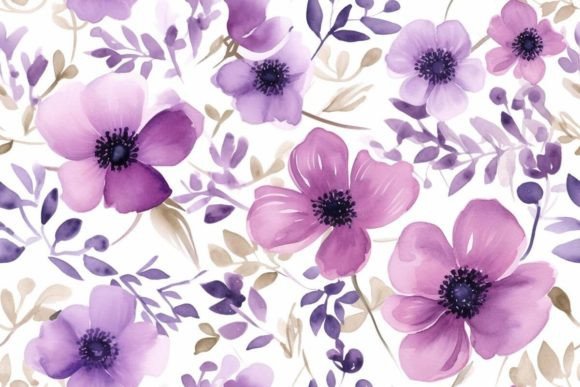
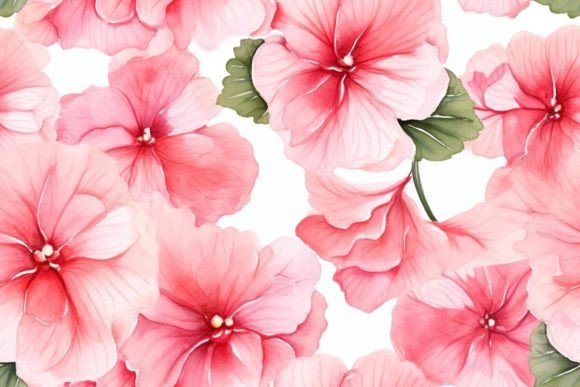
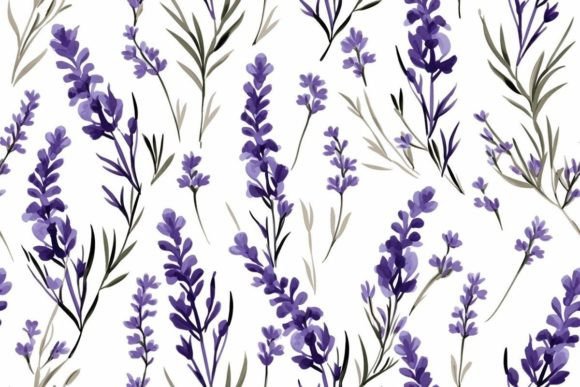
At its core, the appeal of these patterns lies in their duality. Traditional damask relies on a strict geometric or floral symmetry, created through a specific weaving process where light and shadow play across the fabric. When designers introduce nature motifs—such as sprawling vines, delicate ferns, blooming roses, or textured leaves—they disrupt that rigid structure without losing the underlying elegance. The result is a visual rhythm that feels both intentional and wild.
Damask Pattern Nature Patterns work particularly well because they mimic the way nature itself organizes growth. Just as a forest floor has layers of light filtering through canopy gaps, these patterns use varying shades of a single color palette to create depth. This monochromatic approach ensures that the design remains subtle enough for large surfaces while providing enough texture to prevent it from feeling flat. It is a sophisticated choice for those who appreciate detail but dislike visual clutter.
Why the Natural Element Matters
Incorporating nature into damask designs serves more than just an aesthetic purpose; it taps into a psychological need for connection with the outdoors. In our increasingly digital and urbanized lives, bringing elements of the natural world indoors can significantly lower stress levels and improve mood. A wallpaper featuring Damask Pattern Nature Patterns can transform a sterile office cubicle into a calming retreat or turn a minimalist bedroom into a sanctuary of rest. The pattern acts as a reminder of the seasons, the growth cycles, and the enduring beauty of the earth, all wrapped in a luxurious textile finish.
Practical Applications in Modern Workflows and Projects
The versatility of these patterns extends far beyond physical fabrics. In the realm of digital design and content creation, high-quality image files are invaluable assets. When working with Damask Pattern Nature Patterns, designers often look for vector-based or high-resolution raster images that can be scaled without losing fidelity. This is crucial for creating responsive web backgrounds, mobile app interfaces, or print materials that need to maintain sharpness across different devices.
- Interior Styling: Use these patterns on accent walls, throw pillows, or curtains to add a layer of texture that changes with the lighting throughout the day.
- Event Planning: Perfect for wedding invitations, table runners, and backdrops, offering a blend of rustic charm and high-end formality.
- Graphic Design: As background textures for brochures, packaging, or digital presentations, they provide a premium feel that stands out against solid colors.
- DIY Crafts: For hobbyists, these patterns offer endless possibilities for upcycling furniture, creating custom stationery, or designing scrapbook layouts.
One of the most practical benefits of using these patterns is their ability to bridge the gap between different design eras. You can pair a vintage damask sofa with modern, clean-lined furniture, and the nature motif in the fabric will tie the two together, preventing the space from feeling disjointed. It is a versatile tool that allows homeowners and designers to experiment with "eclectic" styles without risking chaos.
Selecting the Right Assets: What to Look For
When sourcing materials for your next project, whether you are downloading a ZIP file of digital assets or purchasing physical samples, attention to detail is paramount. The prompt regarding random titles and misleading notes serves as a gentle reminder to focus on the visual evidence rather than the metadata. Titles can be generic or mislabeled, but the quality of the imagery tells the true story.
If you are working with digital files, such as the JPG formats mentioned in typical asset packages, ensure that the resolution is sufficient for your intended use. A 900–1300 word article might require a cover image that is crisp and detailed, while a full-wallpaper application demands much higher pixel density. Look for files where the contrast between the lighter and darker threads of the damask weave is distinct. This contrast is what gives the pattern its signature shimmer and depth.
Furthermore, consider the color temperature. Nature-inspired damasks often lean towards earthy tones—olive greens, terracottas, deep blues, or warm beiges. However, modern interpretations might feature cool grays or soft pastels. The key is to choose a palette that complements the existing environment. If your space is already filled with bold colors, opt for a monochromatic damask pattern to let the texture shine. Conversely, if your room is neutral, a pattern with a pop of botanical green can serve as a striking focal point.
Maximizing Impact in Residential and Commercial Spaces
The adoption of Damask Pattern Nature Patterns in commercial settings has seen a significant rise in recent years. Hotels, boutique shops, and co-working spaces are increasingly seeking ways to create "instagrammable" moments that also convey a sense of quality and care. A wall covered in a subtle, nature-themed damask provides a backdrop that is visually interesting without being distracting. It invites guests to linger, read, or relax, knowing that the environment was curated with thoughtfulness.
In residential settings, the placement of these patterns requires a strategic eye. Because damask is a pattern that plays with light, it reacts differently depending on the time of day. Morning light might highlight the raised portions of the weave, while evening lamp light could cast dramatic shadows. To get the best effect, place these patterns on walls that receive natural light during the day. This dynamic interaction adds a living quality to the room that static prints cannot achieve.
Considerations for Maintenance and Longevity
While the aesthetic appeal is undeniable, practical considerations must not be overlooked. If applying these patterns to upholstery or drapery, check the durability rating of the fabric. Nature patterns often imply a softer, more organic feel, which sometimes correlates with more delicate fibers. However, modern blends have made it possible to achieve this look with durable, stain-resistant materials suitable for high-traffic areas. For digital applications, ensure that the file format supports transparency if you need to overlay the pattern on other design elements.
Another factor to consider is the scale of the pattern. Large-scale nature motifs can overwhelm a small room, making it feel cramped, whereas tiny, intricate details might get lost in a vast space. Always test a sample or a digital mockup before committing to a full installation. The goal is to find that sweet spot where the pattern enhances the space without dominating it.
The Future of Organic Textiles
As sustainability becomes a central theme in design, the relevance of Damask Pattern Nature Patterns continues to grow. Consumers are becoming more conscious of the materials they bring into their homes and the messages their decor sends. By choosing patterns that celebrate nature, we align our environments with a respect for the natural world. This goes beyond just the visual; it influences the choice of eco-friendly dyes, sustainable fibers, and ethical production methods.
Whether you are a professional designer curating a portfolio or a homeowner looking to refresh a single room, the integration of nature into damask designs offers a timeless solution. It is a style that respects tradition while embracing the organic unpredictability of the world around us. By focusing on the quality of the images and the harmony of the composition, you can create spaces that are not only beautiful but also deeply connected to the rhythms of nature.
To truly appreciate the potential of these patterns, one must look past the superficial labels and dive into the visual nuances. The interplay of light, the intricacy of the weave, and the organic flow of the botanical elements combine to create a masterpiece that transcends trends. So, when you encounter a collection of assets, take the time to examine the details, support creators who prioritize quality, and let the elegance of nature-inspired damask transform your creative vision.