Seamless Patterns Fabric Design: The Engine Behind Modern Textile Innovation
In the fast-paced world of digital creativity and physical manufacturing, Seamless Patterns Fabric Design has emerged as a critical bridge between artistic vision and commercial reality. For professionals ranging from independent fashion designers to large-scale textile manufacturers, the ability to create repeating motifs that flow infinitely without visible breaks is no longer just an aesthetic choice; it is a technical necessity. This evolution represents a shift in how we approach surface design, blending traditional craftsmanship with modern digital workflows to meet the demands of a global market.
The Core Concept and Technical Evolution
At its heart, seamless pattern design is about continuity. Unlike standard images that have distinct edges, a seamless pattern tiles perfectly in any direction. When applied to fabric, this ensures that when a garment is cut or a piece of upholstery is sewn, the design remains uninterrupted across seams. Historically, achieving this required manual drafting and complex loom settings. Today, digital tools allow creators to generate intricate, high-resolution repeats that were previously impossible to visualize or produce efficiently.
The relevance of this technology has grown alongside the rise of on-demand printing and personalized consumer goods. In the past, mass production often dictated the design, forcing artists to work within rigid constraints. Now, the workflow is inverted. Creators can design unique textures and motifs, upload them as digital assets, and have them printed exactly as envisioned on various materials. This democratization of design means that a freelancer in one country can sell a pattern to a manufacturer on another continent, relying entirely on the integrity of the seamless pattern file.
Understanding the Digital Asset Landscape
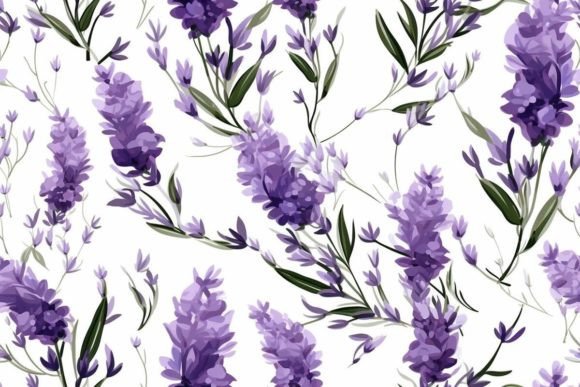
When engaging with digital libraries or marketplaces for design assets, understanding the file structure is paramount. A common scenario involves receiving a compressed package containing specific image formats. For instance, users might encounter a ZIP archive that contains a single JPG file. While the accompanying metadata or title might be randomly generated and potentially misleading regarding the specific style or theme, the visual content of the image is the true asset.
This highlights a crucial aspect of modern procurement: focusing on the product image rather than the filename. A well-constructed JPG provides the necessary resolution and color depth to be scaled up for large-format printing or down for small accessories. However, the responsibility lies with the user to verify that the image actually functions as a seamless tile. If the edges do not match perfectly, the resulting fabric will show grid lines, ruining the professional finish. Therefore, verifying the tiling capability before purchase or download is a standard practice for savvy buyers.
Aligning with Current Market Trends and Consumer Habits
The surge in interest around seamless patterns is driven by a convergence of lifestyle shifts and business needs. The "maker movement" and the popularity of DIY culture have encouraged hobbyists to explore home decor and custom apparel. Consumers today expect uniqueness. They are less interested in generic, store-bought items and more drawn to products that reflect personal taste or niche aesthetics. Seamless patterns enable this personalization at scale.
- Sustainability: On-demand printing reduces waste. Instead of producing millions of yards of pre-printed fabric that might go unsold, companies print only what is needed. Seamless designs facilitate this by allowing efficient layout algorithms to minimize fabric off-cuts.
- Fast Fashion vs. Slow Fashion: While fast fashion relies on speed, slow fashion values quality and longevity. High-quality seamless patterns ensure that a designer's brand identity remains consistent across different product lines, from clothing to home textiles.
- Digital-First Workflows: As remote work becomes the norm, creative collaboration happens in the cloud. Designers share assets, receive feedback, and finalize files without ever meeting in person. The reliability of these digital files is the backbone of this ecosystem.
The Role of Visual Consistency
For businesses, consistency is key to brand recognition. Whether a logo is placed on a tote bag, a dress, or a wall mural, the underlying pattern must remain cohesive. A seamless design ensures that the visual language of a brand does not break when the scale changes. This is particularly important for entrepreneurs who expand their product lines. A pattern that looks good on a smartphone wallpaper should also look impeccable on a yard of silk or canvas.
However, the transition from screen to fabric introduces challenges. Colors that appear vibrant on a monitor may shift when printed on cotton versus polyester. Professionals in the field must understand color management and material properties. The design phase is not just about drawing; it is about anticipating how the digital vector or raster image will interact with the physical medium. This practical knowledge separates amateur attempts from professional-grade outputs.
Practical Implications for Creators and Businesses
For the creator, mastering seamless patterns opens doors to diverse revenue streams. Platforms like Etsy, Spoonflower, and Society6 allow individuals to upload designs and earn royalties. The barrier to entry is low, but the competition is fierce. Success here depends on the quality of the pattern, the uniqueness of the motif, and the technical execution of the repeat.
Business owners utilizing these assets face their own set of considerations. When sourcing designs, they must evaluate the licensing terms and the technical specifications of the provided files. A common pitfall is assuming that a high-resolution image is automatically ready for production. It is essential to check if the image supports the required dimensions and if the edge matching is flawless. As noted in many product descriptions, titles can be unreliable, so visual inspection is the gold standard.
- Quality Assurance: Always zoom in to 100% or higher to inspect the edges of the pattern for visible seams or artifacts.
- File Formats: While JPGs are convenient for viewing, working with TIFF or PSD files during the design process preserves layers and allows for better editing before final export.
- Feedback Loops: Engaging with the community through comments or reviews helps refine expectations. If a buyer desires a specific type of image or texture, communicating this directly to the seller can lead to customized uploads that better fit the project needs.
The Human Element in Digital Design
Despite the technological advancements, the human touch remains irreplaceable. Algorithms can generate endless variations, but they lack the intuition to understand cultural nuances or emotional resonance. The most successful seamless patterns tell a story. They evoke a feeling of nostalgia, energy, or calm. This is why the recommendation to "leave a review" and "follow for more products" is vital. It creates a feedback loop where creators learn what resonates with the audience.
Supporting creators by leaving ratings and comments fosters a healthier marketplace. It signals which styles are in demand and encourages the production of higher-quality assets. For example, if a specific floral motif receives positive feedback, sellers are more likely to release variations of that style. This dynamic interaction drives innovation and keeps trends fresh without resorting to hype or filler content.
Navigating the Future of Surface Design
Looking ahead, the integration of artificial intelligence into design tools will further accelerate the creation of seamless patterns. AI can assist in generating complex geometries or suggesting color palettes based on current trends. However, the final curation and refinement will still require human oversight. The goal is not to replace the designer but to enhance their toolkit.
As we move forward, the distinction between digital and physical art will continue to blur. Augmented reality (AR) could allow customers to see how a seamless pattern looks on their furniture before purchasing. Virtual try-ons will become standard for fashion retailers. In all these scenarios, the foundational element remains the same: a perfectly executed seamless pattern that translates seamlessly from the screen to the real world.
For anyone involved in this space, staying informed and adaptable is crucial. Whether you are a hobbyist looking to decorate your home or a business owner scaling your operations, the principles of quality, clarity, and technical precision apply. By focusing on the actual product images and understanding the practical implications of the files you acquire, you ensure that your projects stand out in a crowded market.
Ultimately, Seamless Patterns Fabric Design is more than a technical skill; it is a language of expression. It allows us to wrap our surroundings in beauty and functionality. As the industry continues to evolve, those who prioritize genuine value and clear communication will thrive. Remember, while titles may be random and marketing slogans loud, the quality of the design speaks for itself. Engage with the community, support the creators, and keep pushing the boundaries of what is possible with fabric and design.