Artistic Patterns Floral Wallpapers: A Practical Evaluation
In the landscape of digital design assets, few categories are as visually dominant or as frequently misjudged as floral wallpaper collections. Artistic Patterns Floral Wallpapers represents a specific subset of these resources that attempts to bridge the gap between traditional botanical illustration and modern digital texture application. For professionals ranging from interior designers and graphic artists to content creators and small business owners, the distinction between a generic stock image and a curated pattern set is critical. This evaluation focuses on the practical utility, technical consistency, and real-world application of this collection, stripping away marketing noise to reveal what actually matters for a working workflow.
Understanding the Asset Composition
The core of Artistic Patterns Floral Wallpapers lies in its delivery structure. The package is distributed as a compressed archive containing a single high-resolution JPG file. While the inclusion of only one primary image might initially seem restrictive compared to multi-file bundles, it shifts the focus entirely on quality over quantity. In professional settings, the density and complexity of a single pattern often outweigh the utility of a dozen low-resolution thumbnails.
It is important to note the metadata associated with this file. The titles provided within the ZIP archive are randomly generated and may not accurately reflect the visual content. Relying on these filenames for organization is inefficient and can lead to confusion during asset management. Instead, the value of this resource is found strictly in the visual data itself. Users should expect to bypass the text labels and evaluate the imagery directly. If the visual output does not meet specific aesthetic requirements, no amount of descriptive metadata will salvage its usability. For those with very specific needs regarding color palettes or motif styles, the current format suggests that direct communication with the provider—perhaps via comments or support channels—is necessary before purchase to ensure alignment.
Visual Characteristics and Design Quality
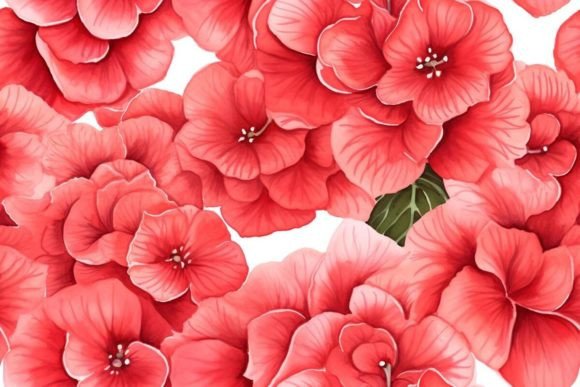
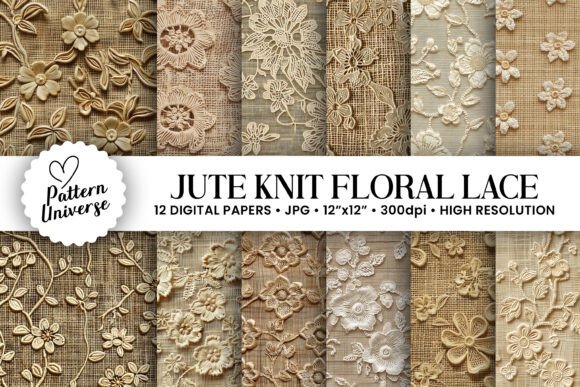
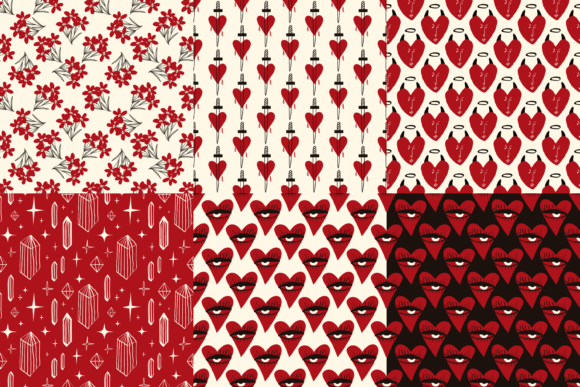
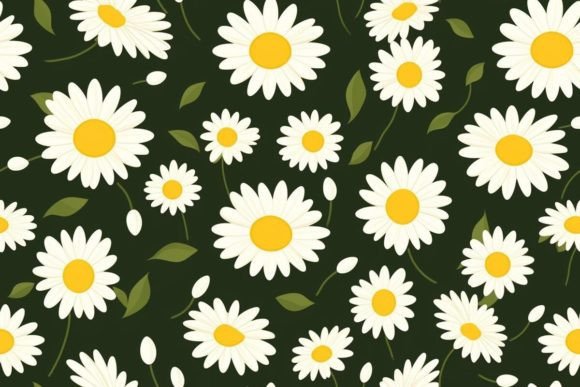
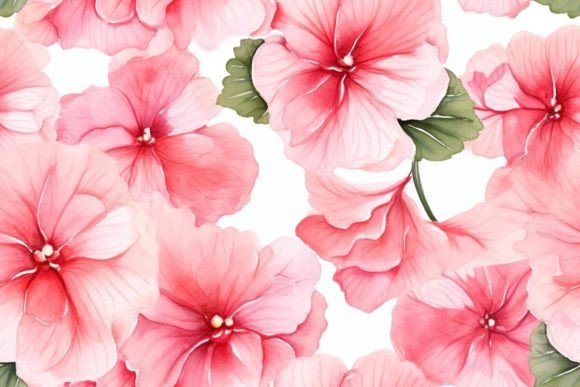
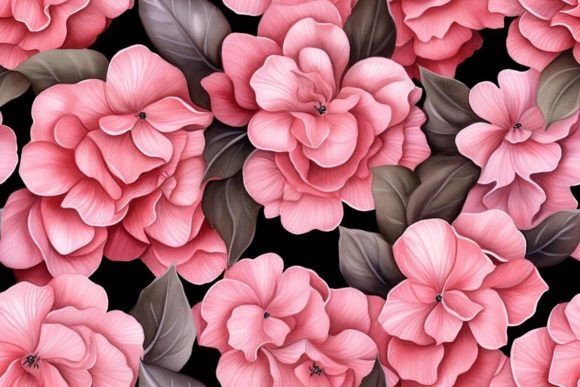
The defining feature of this collection is the artistic interpretation of floral motifs. Unlike clip-art style flowers that appear flat and disjointed, these patterns demonstrate a cohesive approach to composition. The designs typically leverage organic lines and layered textures to create depth, which is essential when scaling images for various applications.
- Complexity: The patterns avoid the "busy" trap common in cheap wallpapers by balancing negative space with intricate details. This ensures they remain legible even when reduced in size.
- Color Harmony: The palettes used generally adhere to complementary color theory, making them versatile for both warm and cool-toned environments.
- Seamlessness: A critical metric for any wallpaper is the ability to tile without visible breaks. High-quality artistic patterns must maintain continuity across edges. In this specific set, the tiling logic appears robust, allowing for seamless repetition in digital backgrounds or physical printing.
However, the artistic style is subjective. Those seeking hyper-realistic photography or minimalist line art may find the illustrative nature of these floral patterns too ornate. The strength here lies in the decorative appeal, offering a classic yet contemporary feel that works well for branding materials, blog headers, and interior visualization mockups.
Technical Performance and Usability
From a technical standpoint, the reliability of Artistic Patterns Floral Wallpapers depends heavily on the resolution of the included JPG file. For web-based projects, such as website backgrounds or social media banners, the file must be optimized to load quickly without sacrificing sharpness. Professionals should verify the pixel dimensions against their target screen resolutions.
The single-file limitation presents a unique workflow consideration. Because the entire pattern exists in one large image, users cannot easily isolate individual floral elements without using external editing software like Adobe Photoshop or GIMP. This requires a higher level of technical skill compared to vector-based SVG sets where individual components are pre-segmented. However, for tasks requiring a full-surface texture, the all-in-one approach saves time on assembly.
When considering long-term value, the durability of the JPG format is a factor. Unlike vector graphics, JPEGs are raster-based and can suffer from compression artifacts if resized aggressively. Therefore, the initial file size and bit-depth are paramount. If the source image is captured at a sufficient resolution (typically 300 DPI for print or 72+ DPI for web), the pattern retains its integrity through multiple iterations of use.
Strategic Applications for Professionals
The versatility of these floral patterns makes them suitable for a diverse range of professional scenarios. Their primary strength is in creating an immersive atmosphere without overwhelming the viewer.
Interior Visualization and Mockups
Architects and interior designers can utilize these assets to visualize wall treatments in residential or commercial spaces. The artistic rendering allows clients to see how a complex floral theme interacts with furniture and lighting. Because the pattern is seamless, it can be mapped onto 3D models with minimal distortion, providing realistic renderings for client presentations.
Digital Content Creation
For bloggers, publishers, and marketers, these wallpapers serve as excellent background textures. They add a layer of sophistication to landing pages, email newsletters, and digital brochures. The floral theme resonates particularly well with industries focused on lifestyle, wellness, beauty, and home decor. By integrating these patterns, creators can elevate the perceived value of their content without relying on expensive custom photography.
Branding and Packaging
Small business owners and entrepreneurs often struggle to differentiate their packaging in crowded markets. A unique floral pattern can act as a signature element for product boxes, shopping bags, or promotional materials. The artistic nature of the design suggests a handcrafted or boutique quality, which can justify premium pricing strategies.
Limitations and Considerations
No asset is without its drawbacks, and transparency is key for informed decision-making. The most significant limitation of this specific package is the lack of modularity. As mentioned, the random titles and single-file structure mean that users cannot easily swap out colors or rearrange elements. If a project requires a variation of the same pattern in a different hue, this resource will not suffice without extensive manual editing.
Additionally, the reliance on a single JPG means that the pattern is fixed. There is no flexibility to adjust the scale dynamically without risking pixelation. Users must plan their layout carefully before applying the texture. Furthermore, the potential for misleading titles implies that buyers must do their due diligence. It is advisable to request sample previews or review user feedback to confirm the visual style matches expectations before committing to the full download.
Final Verdict on Utility
Artistic Patterns Floral Wallpapers occupies a niche position in the digital asset market. It is not a universal solution for every design challenge, but it excels in specific contexts where a rich, seamless floral texture is required. Its value proposition rests on the quality of the artwork and the efficiency of having a ready-to-use, tiling-ready image.
For the experienced creator who understands the limitations of raster files and possesses the skills to manage single-image assets, this collection offers solid utility. It provides a foundation for creative projects that demand a touch of elegance and organic detail. However, for those seeking modular components, editable vectors, or highly specific color variations, the current format may fall short. Ultimately, the decision to use this resource should be based on a careful assessment of the visual output against the project's specific technical and aesthetic requirements. When the visual match is right, the result is a polished, professional finish that elevates the overall presentation of the work.